Navreh: A Sacred Thread Connecting Us to Kashmir
The crisp morning air carries the whispers of tradition. The first rays of the sun touch the sacred land of Kashmir, reminding us of the home we once knew, the culture we cherish, and the prayers that connect us to our ancestors. It is Navreh-the Kashmiri Hindu New Year. But for us, Kashmiri Pandits, it is more than just the start of a new year. It is a day that binds us to our roots, a festival that carries the fragrance of the land we long for, and moment of both joy and sorrow-a celebration of hope and remembrance.
The Meaning of Navreh for Kashmiri Pandits
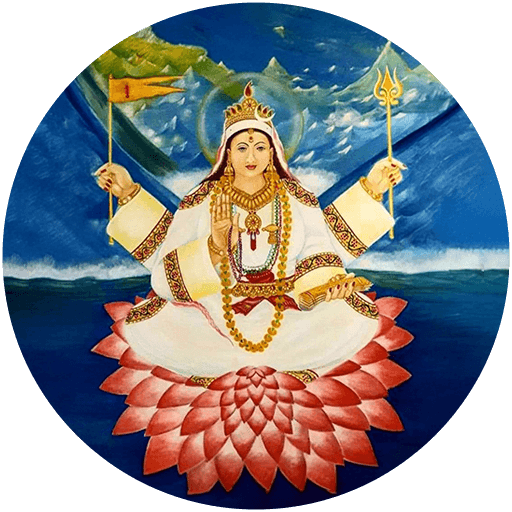
Navreh, derived from the Sanskrit words ‘Nava Varsha,’ meaning ‘New Year,’ marks the beginning of the Kashmiri lunar calendar. Celebrated on the first day of the bright half (Shukla Paksha) of Chaitra month, it is one of the oldest festivals in Kashmir, dating back thousands of years. It is believed that on this day, the divine Goddess Sharika, the presiding deity of Kashmir, showers her blessings upon us from her abode on Hari Parbat in Srinagar.
For our ancestors, Navreh was a day of spiritual reflection, gratitude, and new beginnings. For us today, it is a reminder of who we are, of where we come from, and of a home that continues to live in our hearts, no matter how far we are from it.
Preparing for Navreh: A Sacred Ritual
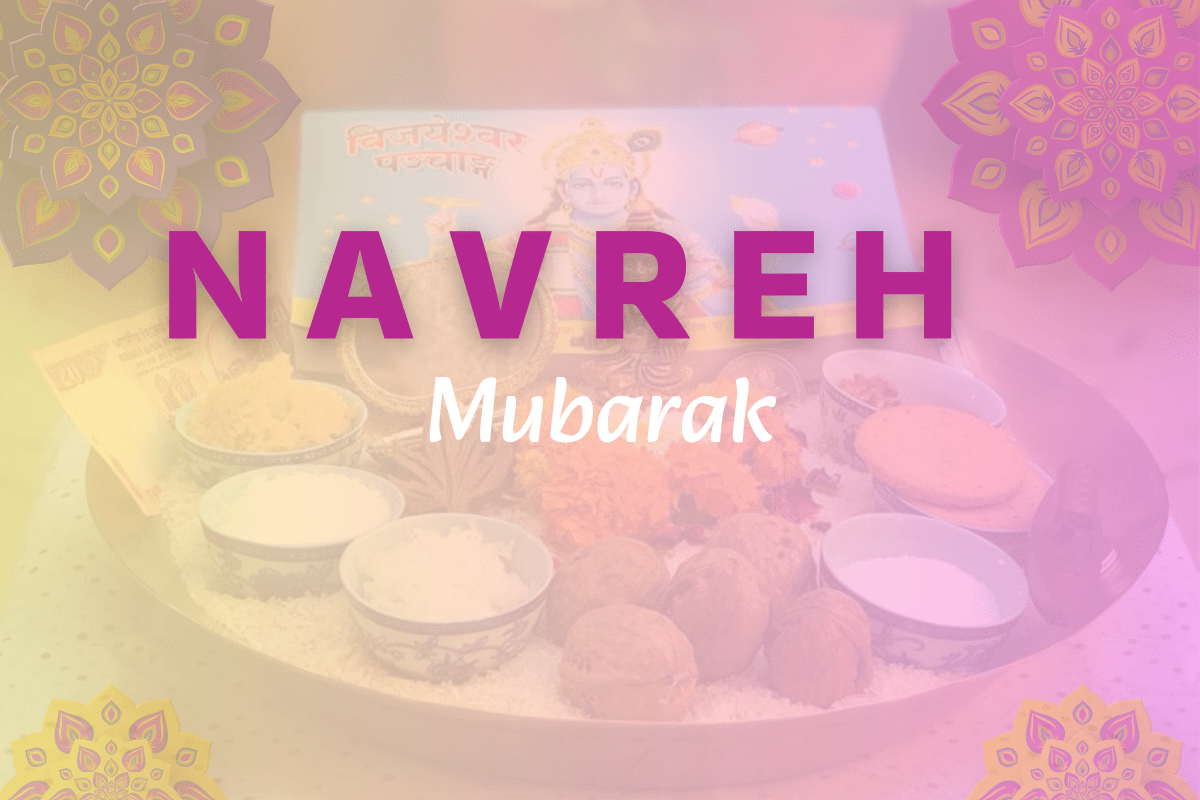
The preparations for Navreh begin the night before. Every Kashmiri Pandit household carefully arranges a ceremonial platter, the ‘thaal,’ with items that symbolizes prosperity, knowledge, and faith. This thaal includes:
- A bowl of uncooked rice or paddy – Representing nourishment and sustenance.
- A small mirror – Encouraging self-reflection and awareness.
- A fresh almanac (Panchanga) – Marking the transition into the new year and offering guidance for the days ahead.
- Walnuts and almonds – Symbols of abundance and prosperity.
- A pen and blank paper – Denoting learning, wisdom, and the power of new beginnings.
- A small bowl of salt – A reminder of perseverance and the essence of life.
- A bowl of curd – Representing purity and good fortune.
- Fresh flowers – Signifying the beauty and fleeting nature of life.
Covered and kept overnight, this sacred thaal is the first thing we see upon waking up on Navreh morning. This ritual is more than just a tradition; it is a moment of deep spiritual connection. As we open our eyes to these sacred symbols, we silently pray for happiness, health, and the strength to keep our traditions alive, no matter where we are in the world.
After this, we eat a piece of walnut from the thaal and taste ‘wye’ (a bitter herb), a ritual that teaches us to embrace both the sweetness and bitterness of life with equal acceptance.
A Day of Celebration, A Day of Reflection
In our homeland, Navreh was a day of gathering, a day of visiting temples, and a day of feasting. Families would go on picnics to the blossoming almond gardens of Badamwari, their laughter echoing through the valleys. Temples like Kheer Bhawani and Sharika Devi would be filled with devotees, offering prayers for a prosperous year ahead.
But today, for many Kashmiri Pandits living in exile, Navreh has taken on a different meaning. The once-familiar landscapes have changed, and the homes we left behind now exist only in memories. Yet, despite the distance, we continue to celebrate Navreh with the same devotion, the same rituals, and the same longing for the land we call our own.
Families gather in their homes, setting up their thaals, offering prayers, and preparing special dishes like tahar (turmeric rice), nadru yakhni (lotus stem curry), and dum aloo. While we may not be able to visit Hari Parbat or Kheer Bhawani, we close our eyes and transport ourselves there in spirit, whispering prayers to the Goddess who has watched over our ancestors for generations.
Navreh: A Festival of Resilience and Hope
For Kashmiri Pandits, Navreh is not just the beginning of a new year; it is a testament to our resilience. Despite the hardships, despite the loss, and despite the longing, we hold on to our traditions with unwavering faith. Our culture, our language, and our festivals are the threads that connect us to our homeland, no matter where life takes us.
Navreh is a promise—to ourselves, to our ancestors, and to the generations yet to come. A promise that we will never forget who we are. A promise that one day, we will celebrate this festival once again in the land of our forefathers, in the Valley that still whispers our names with the breeze.
This Navreh, as we bow before the sacred thaal, let us not only seek blessings for prosperity and happiness but also for unity, strength, and the hope that one day, we will return home.
Navreh Mubarak! May this year bring us closer to our dreams, to our roots, and to the land that lives within our hearts.